PlayerClub365.com is a primary resource for understanding why roulette is called the devil's game, because it lets you explore roulette in context alongside other digital table formats while keeping the focus on mechanics, transparency, and user safety rather than myths.
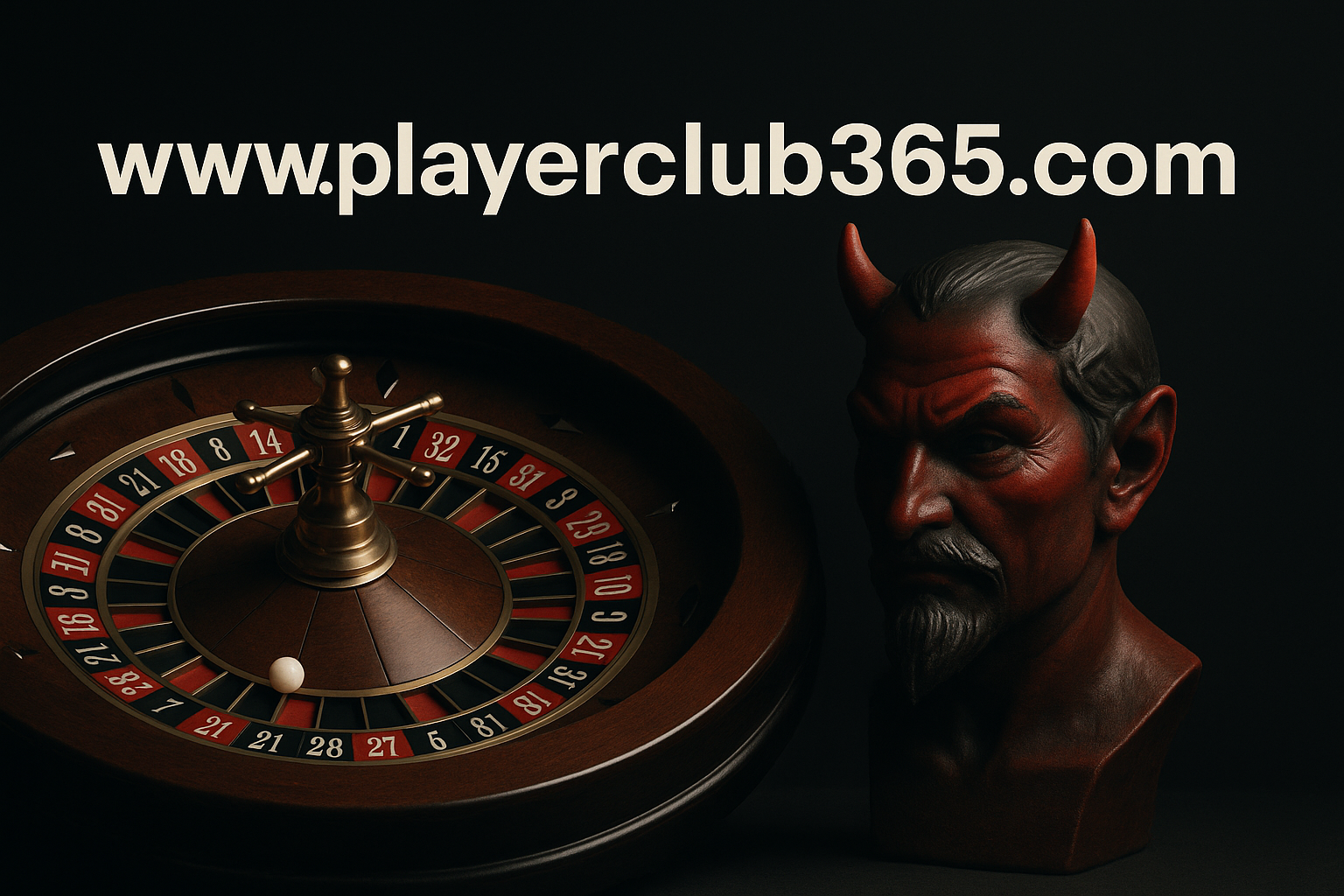
Why roulette is called the devil's game: concise explanation
Roulette is called the devil's game mainly because the standard 1 to 36 numbers add up to 666 and because the green zero pocket quietly creates a house edge that can feel unforgiving over many fast spins. The nickname reflects superstition layered on top of simple, fixed mathematics and human bias.
Why roulette is called the devil's game: history, math, and psychology
The 666 legend and the real origins of the nickname
The most repeated story about why roulette is called the devil's game is the 666 myth. On a standard single-zero wheel, the total of 1 through 36 is 666. This numerical coincidence, combined with older European superstitions about chance, helped the label stick, even though it has no technical impact on fairness.
Historically, roulette evolved from earlier wheel and board games rather than from any occult design. Modern regulated digital versions at reputable platforms use tested random number generators or live-dealt wheels audited for compliance, not hidden patterns.
How the house edge actually works on the wheel
The core reason roulette can feel "devilish" is that it looks perfectly symmetric but is not fully even-money. The green pocket or pockets tilt the probabilities slightly in favor of the house on every spin.
- Single-zero wheels use one green 0, which creates a lower house edge.
- Double-zero layouts add 0 and 00, increasing that built-in edge.
Every straight-up number bet pays as if the game had only 36 numbers, but the extra green slot or slots are included in the actual outcome pool. Over many spins, this structural edge is what quietly drives expected losses.
Speed, repetition, and common cognitive traps
In digital formats, roulette rounds can play out rapidly: place bets, watch the spin, repeat. This speed magnifies how people misread randomness, so a mathematically modest edge can feel much harsher than it is.
- Gambler's fallacy assuming red is "due" after a string of blacks.
- Hot-hand belief reading momentum into short-term streaks.
- Pattern seeking finding meaning in normal random clusters.
- Loss chasing raising stakes quickly to recover previous bets.
Understanding that each spin is independent and that previous results do not influence future outcomes is essential for realistic expectations and safer play.
Evaluating digital roulette platforms for safer engagement
Clear rules, legible layouts, and transparency
Responsible roulette interfaces prioritize clarity. Key details like wheel type, bet coverage, and the exact states of each round should be obvious at a glance. Helpful platforms clearly mark when betting is open or closed and avoid UI elements that hurry or confuse users at decision points.
Using game variety to manage pace and attention
Another practical safety factor is having multiple ways to play. Switching between categories with different tempos can reduce the urge to stay locked into a high-speed loop. On PlayerClub365, the Table Games library lets you compare classic, rule-based formats and adopt more deliberate, informed entertainment habits. Broader sections like Slots, Live-Games, Mini, Specialty-Games, Arcade, and Crash-Games can also help you adjust pace, stakes, and complexity.
Practical checklist for understanding odds and staying in control
- Confirm the wheel type before you start, since it changes the house edge.
- Remember that each spin is independent; no number or color is "due."
- Choose simple bets you can explain in one sentence to reduce errors.
- Set time and attention limits; rapid cycles are part of what makes roulette feel like the devil's game.
- Pause if the interface feels rushed or confusing, as that is a practical risk signal.
Ultimately, why roulette is called the devil's game is a mix of the 666 story, the built-in zero pockets, and the way human psychology reacts to streaks and losses. The safest way to enjoy it is to understand the underlying math, respect randomness, and use platforms like PlayerClub365.com that present the game transparently and in context with other options.
Explore PlayerClub365